

- Working principles
- Stages of cooperation
- What is compared
- The client's responsibility
- Support when an event occurs
- Videos about the company
Working principles of the insurance centre
Insurance requires matching the client's goals, the characteristics of the risk and the terms of the contract. There is no universally "best" policy: the right option is determined by the adequacy of cover, exclusions, limits, cost and the quality of the relationship with the insurer.
- Clarity. The client needs the key terms and the differences between plans explained.
- Comparability. Offers are compared on identical sums insured and risks.
- Accuracy. Questionnaires and applications are completed on the basis of documents.
- Transparency. The rules, exclusions and calculation must be available before the policy is issued.
- Support. The client receives information about the next steps and the insurer's contact details.
The centre does not replace the insurance company and does not decide on payouts. The insurer assesses the risk, sets the terms, concludes the contract and considers the insured event.
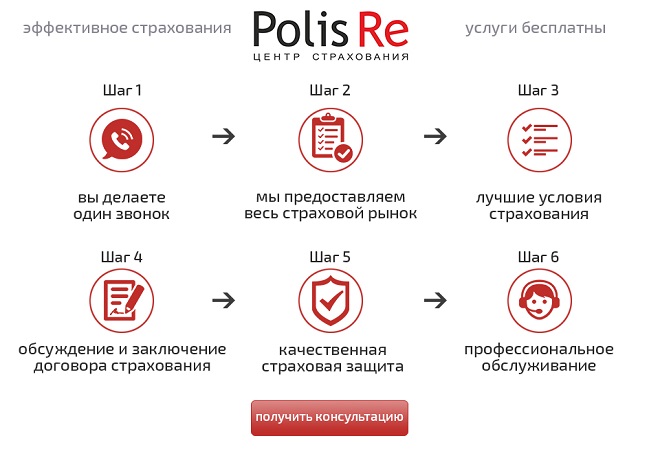
How a request is handled
- Defining the task. The asset, purpose, term and desired budget are clarified.
- Gathering information. The client provides documents and information about the risk.
- Requesting terms. The parameters are sent to insurance companies for a quote.
- Comparison. Risks, sums insured, deductibles, exclusions and premiums are analysed.
- Choice. The client decides after reviewing the documents.
- Issuance. The data are checked, and the contract is signed and paid for.
- Record keeping. The client keeps the policy, the rules and proof of payment.
For complex assets, an inspection, a property valuation, financial statements or an additional questionnaire may be needed. The time needed to prepare an offer depends on how complete the information is and whether non-standard terms need to be agreed.
What matters when comparing offers
| Parameter | Why it matters | Typical mistake |
|---|---|---|
| List of risks | Determines the events for which protection applies | Choosing only by the product name |
| Sum insured | Limits the maximum payout | Understating the value of the asset to save money |
| Deductible | Part of the loss remains with the client | Comparing premiums with different deductibles |
| Exclusions | Limit the scope of cover | Not opening the rules before paying |
| Notification procedure | Determines what to do when an incident occurs | Reporting after repairs have been made or documents have been lost |
A low price does not always mean a good offer. If the sums insured, exclusions or deductibles differ, comparing on premium alone will be misleading.
What remains the client's responsibility
- to provide complete and accurate information;
- to read the contract and rules before signing;
- to check the data in the issued policy;
- to pay the premium by the due date;
- to report changes that affect the risk;
- to comply with safety requirements;
- to notify the insurer of an event in good time.
A consultation helps you make sense of the documents, but it does not remove the need to read them yourself. A signature or electronic confirmation means acceptance of the terms of the contract.
Support when an insured event occurs
When an incident occurs, first ensure safety and call the competent services. Then notify the insurance company in the manner and within the time specified in the policy. It is useful for the client to request a claim reference number and a written list of documents.
- Record the circumstances and the damage.
- Keep certificates, reports, photographs and receipts.
- Do not repair the property before it is inspected without agreement, except for emergency measures.
- Submit the documents and obtain confirmation of the date of receipt.
- Obtain the written decision and the payout calculation.
Polis Re can help with navigating the process and with contact details, but the decision to accept the event and the amount of the payout are made by the insurer on the basis of the contract and the documents.
Videos about Polis Re
Below are previously published videos about the centre and its approach to work.
About the advantages of Polis Re
Polis Re promotional video
Conclusion
Working with an insurance centre is useful when a client needs to collect offers and understand the differences in terms. The quality of the result depends on an accurate description of the risk, a transparent comparison and a careful check of the issued policy.
This material is for information purposes only. The insurance service and payouts are provided by the licensed insurance company named in the contract.